August 28, 2026

What does it really mean to bridge the digital divide?
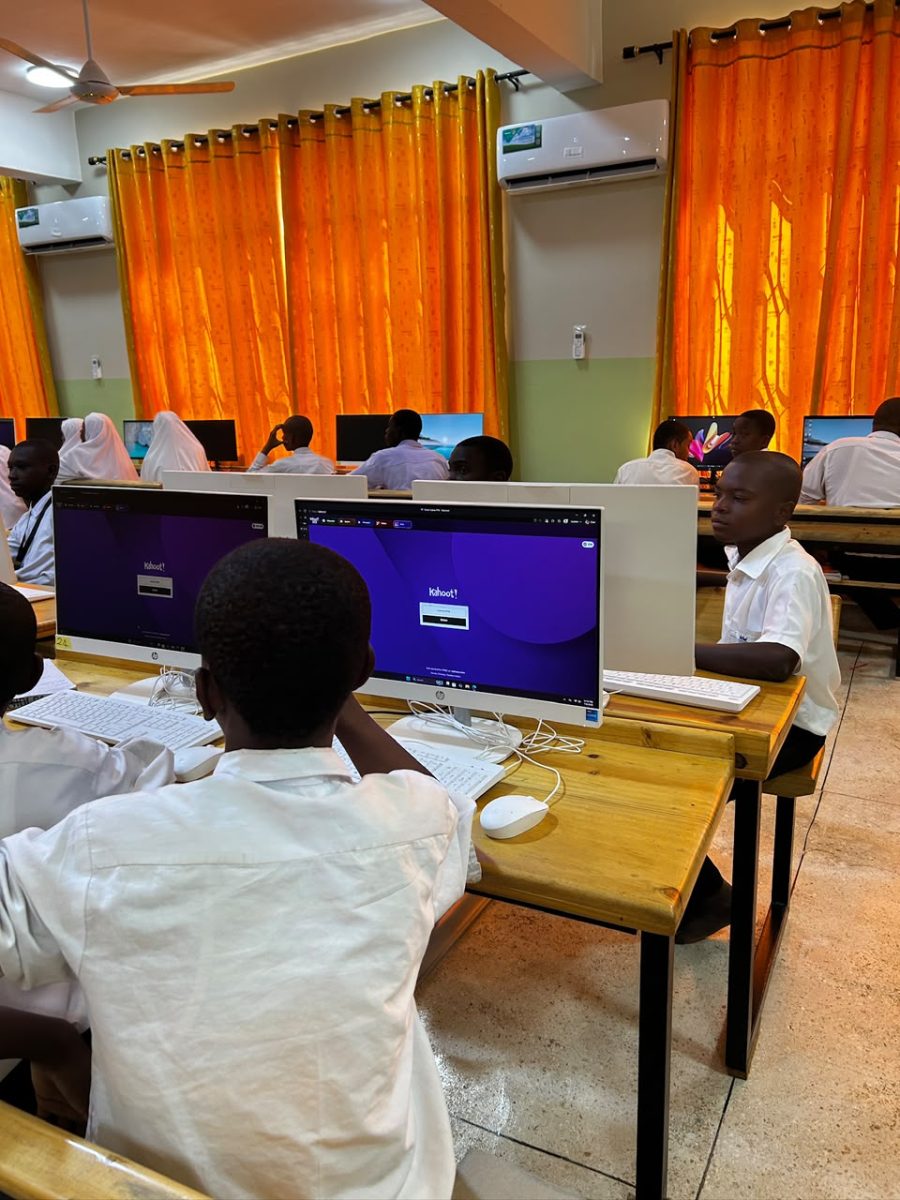
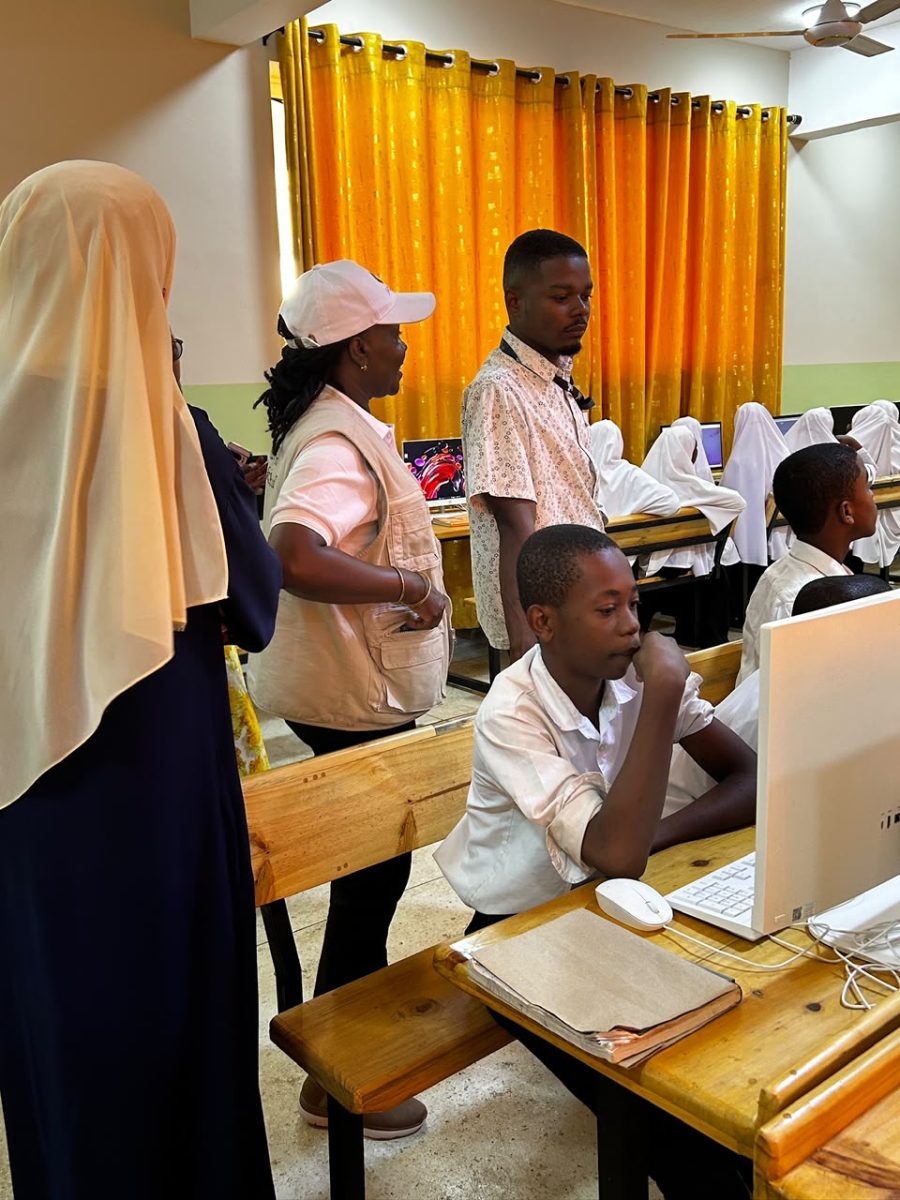
It is easy to assume that the answer is simply putting computers into schools. But during a recent learning visit to Zanzibar, our team at Soipan Tuya Foundation was reminded that meaningful digital inclusion goes much deeper than access to a device.

It is about whether a school has reliable infrastructure. Whether teachers feel confident using technology as part of learning. Whether students have access to relevant digital and STEM content. Whether systems are maintained after installation. And, perhaps most importantly, whether technology creates opportunities that young people can actually see themselves participating in.
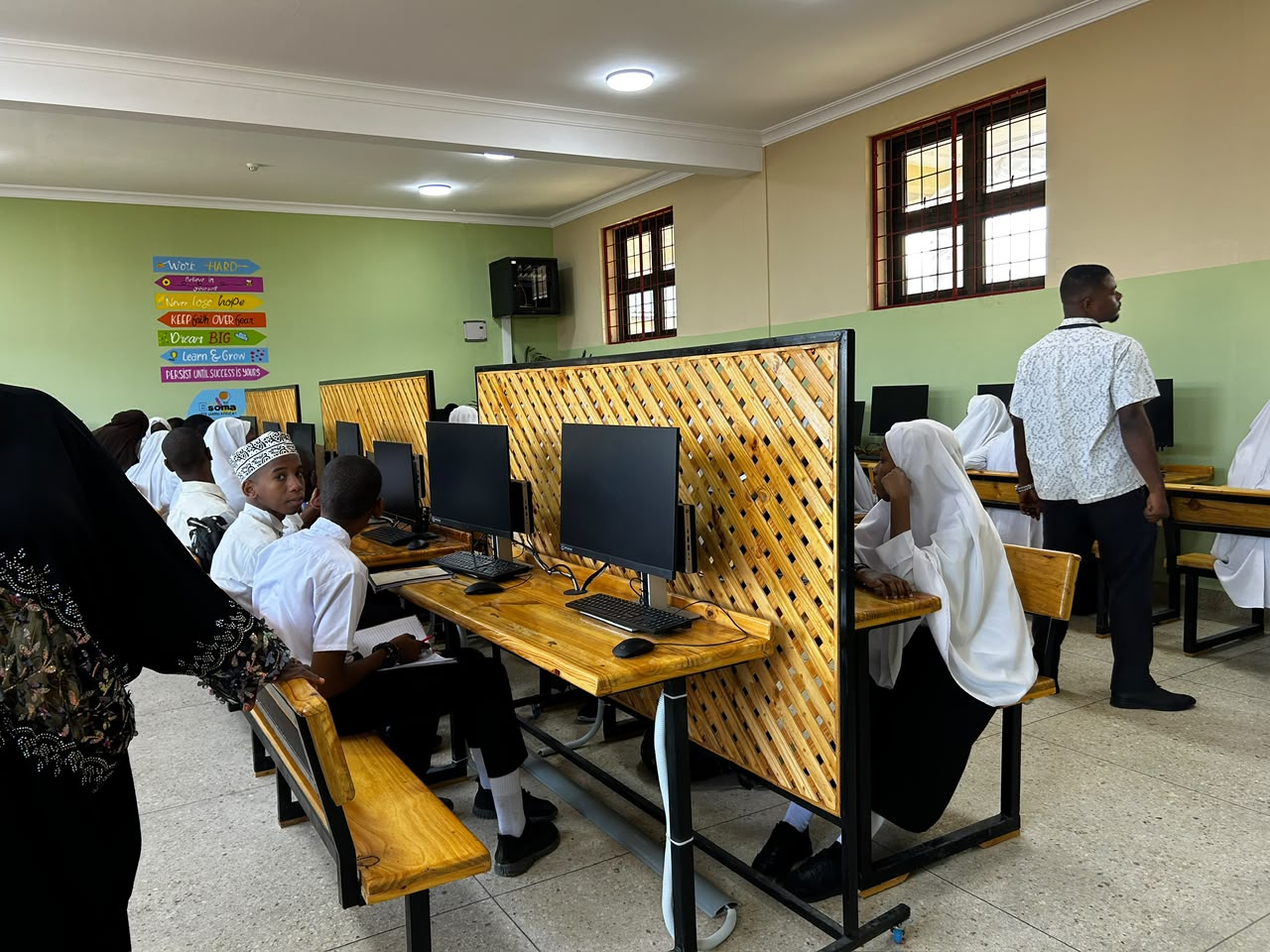
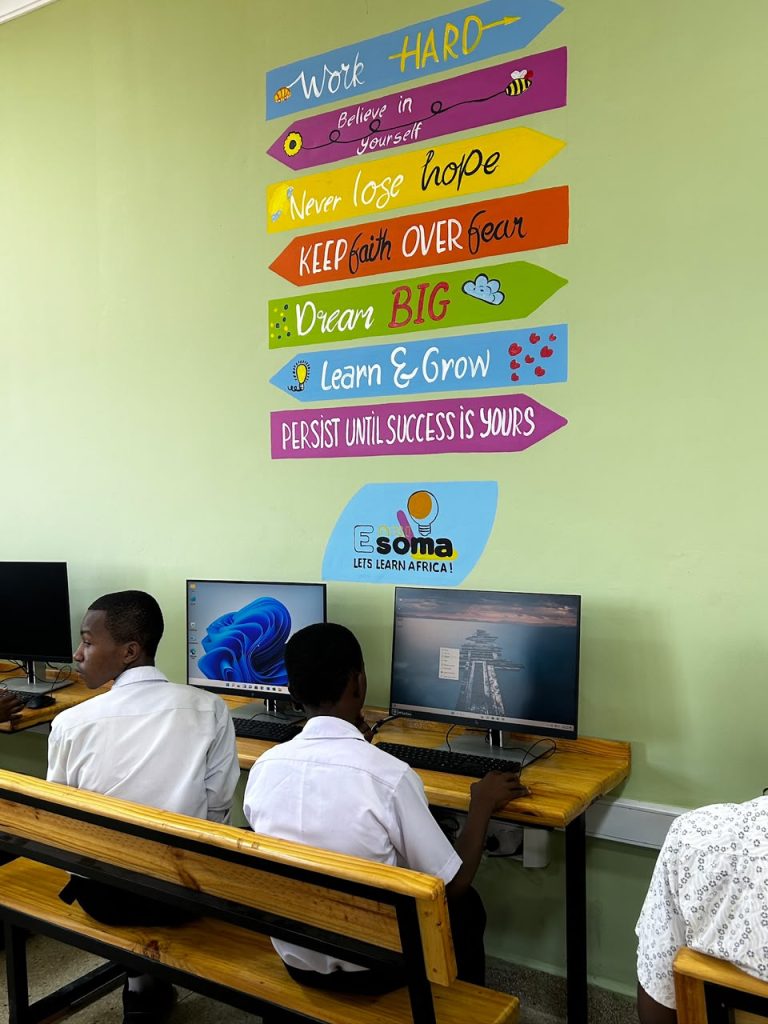
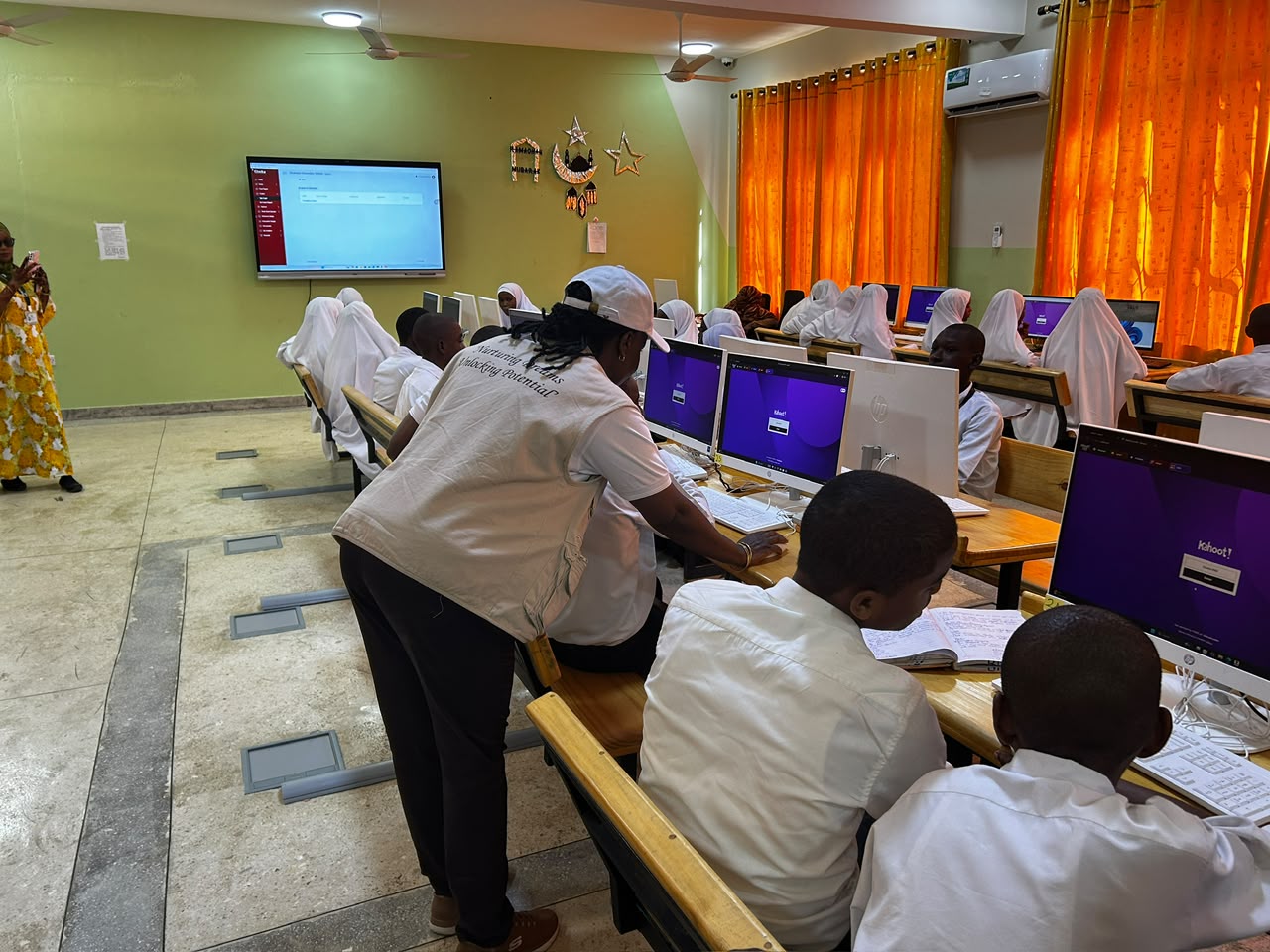
Our visit gave us an opportunity to engage with Enkisoma Africa, led by Sankei Ole Kenga, and learn more about its work at the intersection of education and technology. Enkisoma’s approach combines ICT laboratories, digital learning resources, STEM content and teacher support to create an ecosystem in which technology becomes part of the learning experience rather than simply equipment sitting in a room.
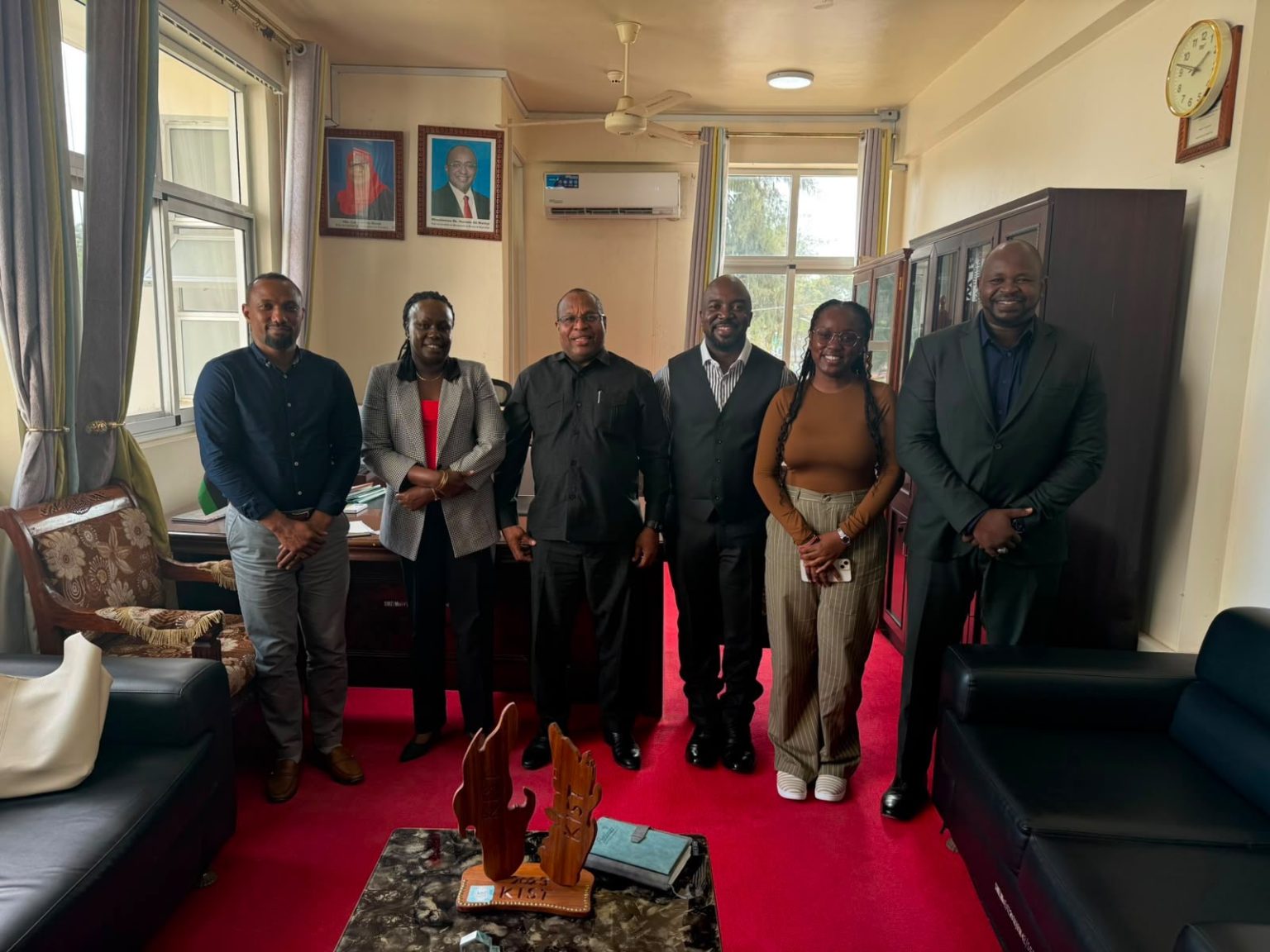
We also had the opportunity to engage with Khamis Abdalla Said, Permanent Secretary in Zanzibar’s Ministry of Education and Vocational Training, and reflect on the role that collaboration between government, schools and partners can play in expanding digital opportunity.

For us, one of the strongest lessons from Zanzibar was that the digital divide is layered.
A student may technically have access to a computer and still lack meaningful digital access. A school may have equipment but lack trained teachers, appropriate content, maintenance support or reliable electricity. A young person may know how to operate a device but have limited exposure to the careers, skills and opportunities that technology can unlock.
Closing that gap therefore requires us to think beyond infrastructure.
It requires an approach that considers the entire environment around the learner: the school, the teacher, the technology, the content and the community.
That lesson is particularly relevant to the communities Soipan Tuya Foundation works with in Kenya. In many marginalised and underserved areas, geography and limited infrastructure continue to shape the opportunities available to young people. Yet where a child lives should not determine how much of the digital world they are able to access.
Our engagement with Enkisoma is therefore not only about what is happening in Zanzibar. It is also about what could be adapted for Kenya.
Soipan Tuya Foundation and Enkisoma are exploring how this experience can inform a partnership focused on expanding digital learning opportunities within marginalised Kenyan communities.
The intention is not to copy and paste a model from one context into another. Communities are different. Schools have different capacities. Infrastructure varies. Any intervention must begin by understanding those realities.
Instead, we are interested in the principles that make the model work: accessible digital infrastructure, relevant learning content, teacher capacity, ongoing technical support and strong community ownership.
For Soipan Tuya Foundation, our role is also to ensure that the communities and schools we work with are part of shaping what implementation looks like. Sustainable solutions are rarely built for communities; they are stronger when developed with them.

Ultimately, digital inclusion is not about computers.
It is about possibility.
It is about a student in a marginalised community being able to encounter information, skills and opportunities that may previously have felt distant. It is about teachers having better tools to support learning. And it is about ensuring that as education becomes increasingly digital, young people in underserved communities are not left watching that transformation from the sidelines.
Our Zanzibar visit was an important learning moment, but it was also the beginning of a larger conversation.
As we continue exploring our partnership with Enkisoma, our focus remains clear: to understand how technology can be introduced thoughtfully, sustainably and equitably, and how the lessons we have seen elsewhere can be adapted to expand opportunity for young people in Kenya.
Because bridging the digital divide should not simply mean giving someone access to technology.
It should mean giving them a fairer chance to participate in the future it is creating.