
Protecting Loita Starts With Listening

convening a diverse group of stakeholders to discuss the future of conservation in Loita

Loita Forest does not need to be introduced to the people who have protected it for generations.

They know its rivers, grazing areas, medicinal plants and sacred places. They understand what the forest provides because their lives, culture and identity have always been connected to it.

Spanning approximately 33,000 hectares, Naimina Enkiyio is one of Kenya’s last largely intact Indigenous forests. It is an important water catchment, a source of dry-season grazing and part of the wider ecosystem connecting the Greater Mara, Lake Magadi and the Lake Natron Basin. More than 25,000 Loita Maasai depend on this landscape in different ways.

A Changing World

The challenge, therefore, is not a lack of conservation awareness. It is that the world around the forest is changing. Land adjudication is introducing individual title deeds into a landscape that has long been governed through customary systems. With that transition comes the risk of subdivision, fencing, land sales and cultivation extending closer to the forest edge. Families also have legitimate concerns about conservation arrangements that could weaken their control over land or place ownership in institutions they do not fully trust.
Conservation in Loita cannot succeed by overlooking those concerns. And it cannot begin by telling communities what they must surrender.

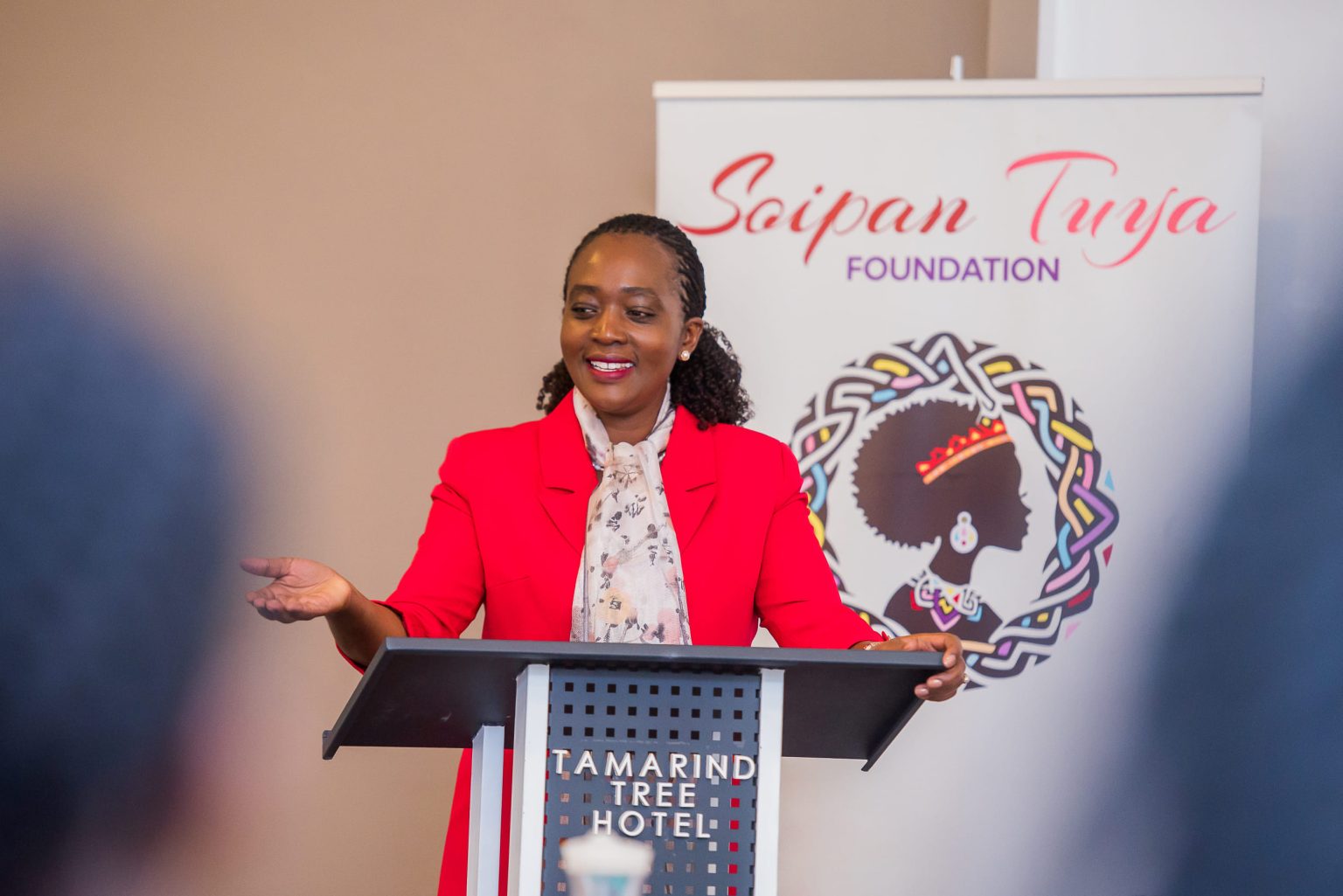
That is why the Soipan Tuya Foundation began by listening

We began By Listening

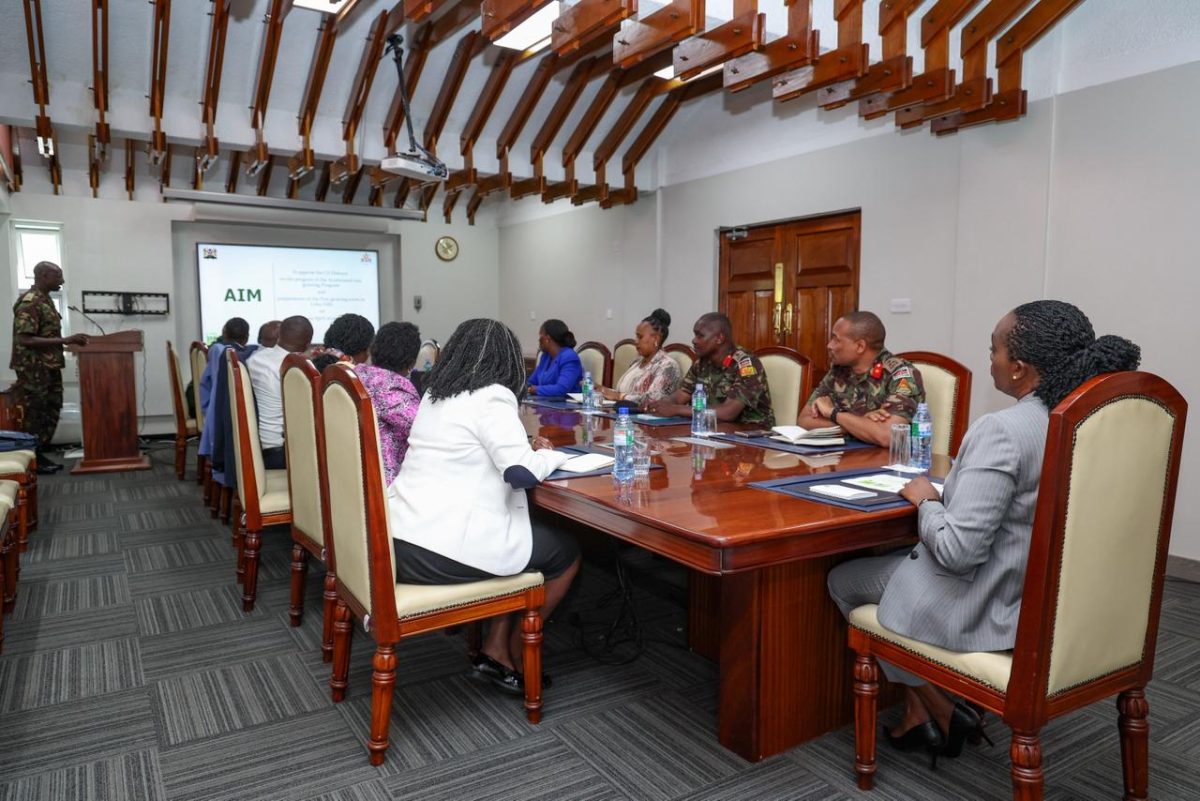
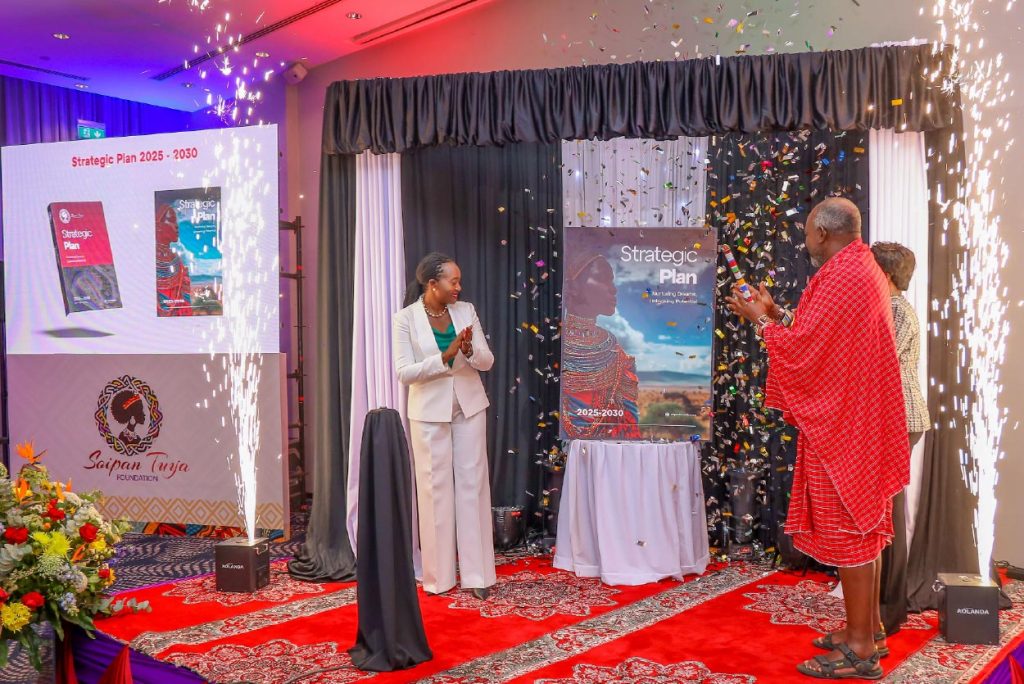
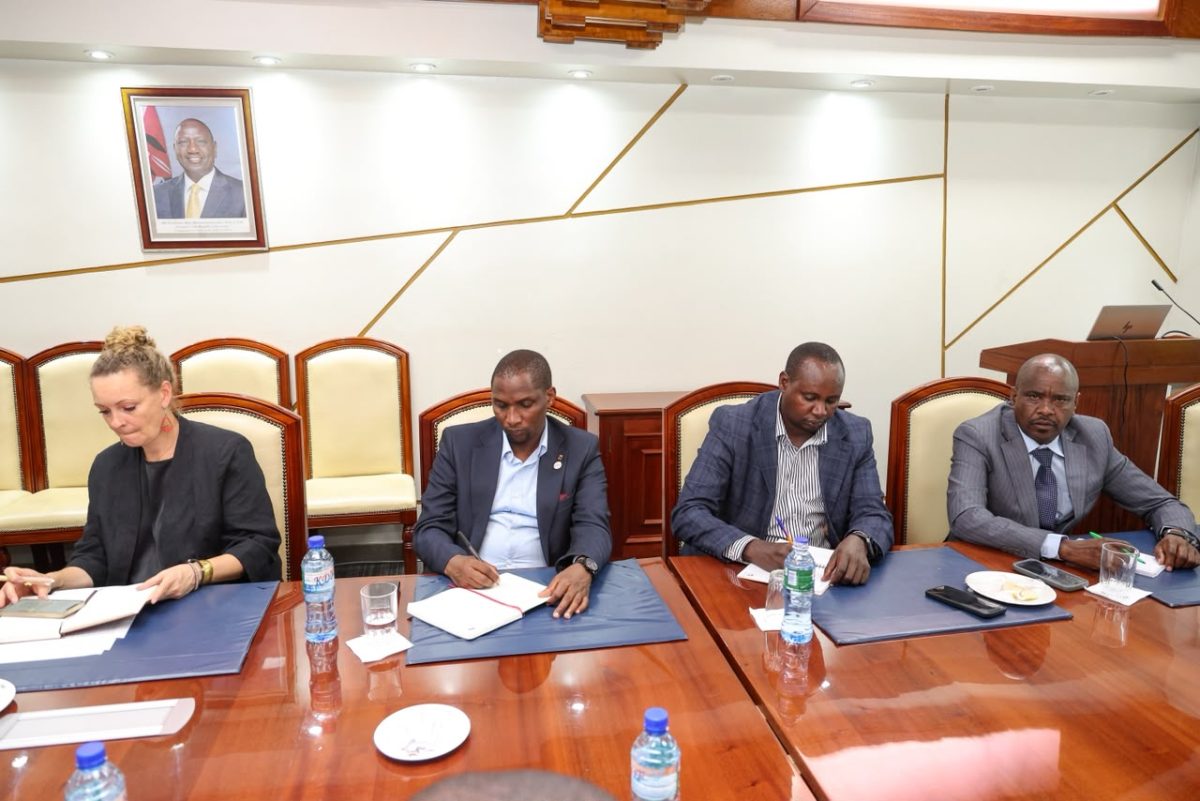
On 11 May 2026, together with WWF-Kenya and the Kenya Wildlife Conservancies Association, we convened more than 90 participants for the Loita–Mara East Stakeholders’ Meeting. Community and cultural leaders, women, young people, adjudication-section representatives, community-based organisations, government agencies and conservation partners came together to speak openly about the future of Loita.

The message from the community was clear: protecting the forest must also make sense for the people who live beside it.

This means developing conservation approaches that respect land ownership, strengthen livelihoods and recognise Indigenous knowledge. It means ensuring women and young people participate in decisions that will affect their future. Most importantly, it means communities giving their free, prior and informed consent before interventions are introduced.


A follow-up review and action-planning meeting in June moved the conversation forward, exploring practical areas such as community-led restoration, tree nurseries, conservation safeguards and livelihoods connected to a healthy forest.

These engagements did not treat listening as a courtesy before the “real work” began. Listening was part of the work.


The conversations are now helping shape an approach through which families can protect important conservation areas without being asked to surrender their land. They are also creating space for communities, government and conservation organisations to work from a shared understanding rather than separate assumptions.


The people of Loita have not been waiting to be taught how to conserve their forest. They have been practising conservation for generations.

Our responsibility is to ensure that the systems now being built around Naimina Enkiyio recognise, protect and strengthen that stewardship.


Because the future of Loita will not be secured by one organisation, one meeting or one project, it will be secured by the people who call it home, and by partners willing to listen before they act.

Share this :