

What the Road Taught Me

A learner does not always leave school because they have stopped believing in education.

Sometimes, it begins with an unpaid fee balance. A family’s income changes. Boarding fees become unaffordable. The distance to school becomes difficult to manage. A learner misses several days, falls behind and slowly begins to believe that education may no longer be possible for them. These are the moments in which timely support matters most.
Inuka

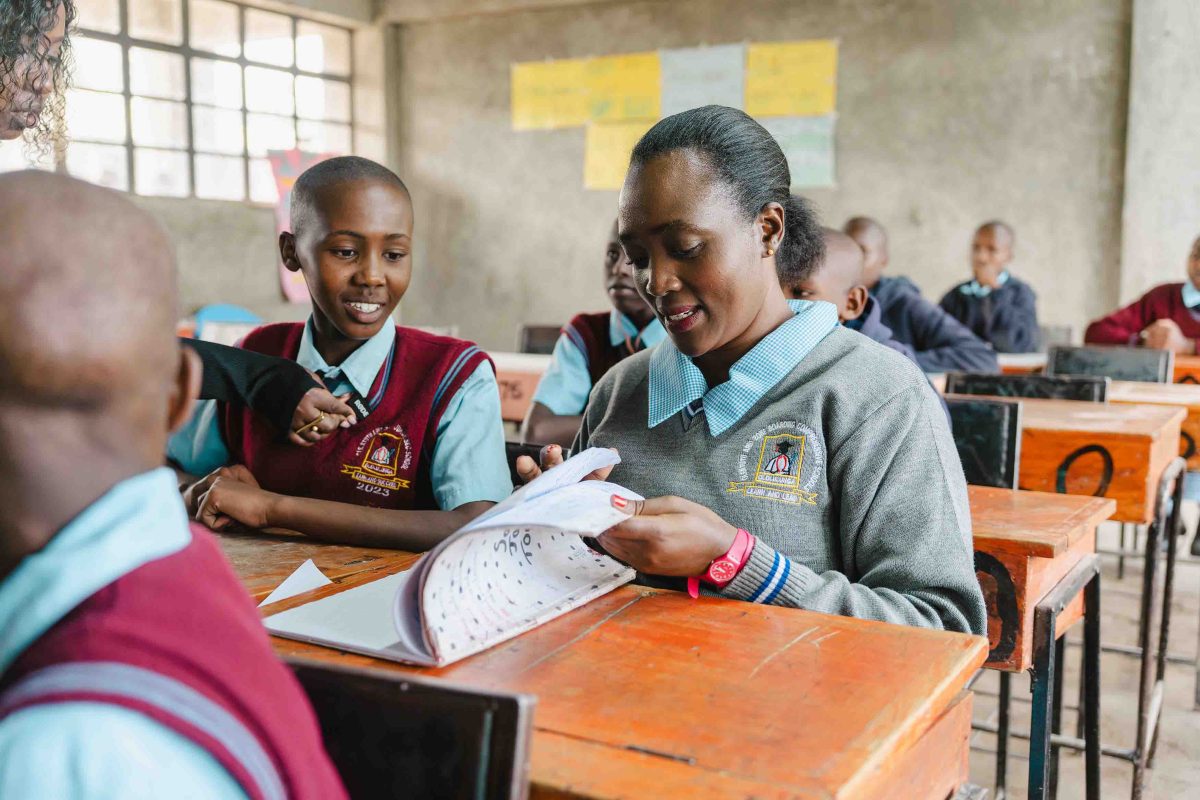
Through Inuka, the Soipan Tuya Foundation has supported 3,257 learners from marginalised communities through full scholarships, partial scholarships, one-time bursaries and other targeted education assistance. In 2026 alone, 257 new beneficiaries received either full scholarships or one-time bursaries. The figure does not mean that every learner received the same form of support. That is intentional.
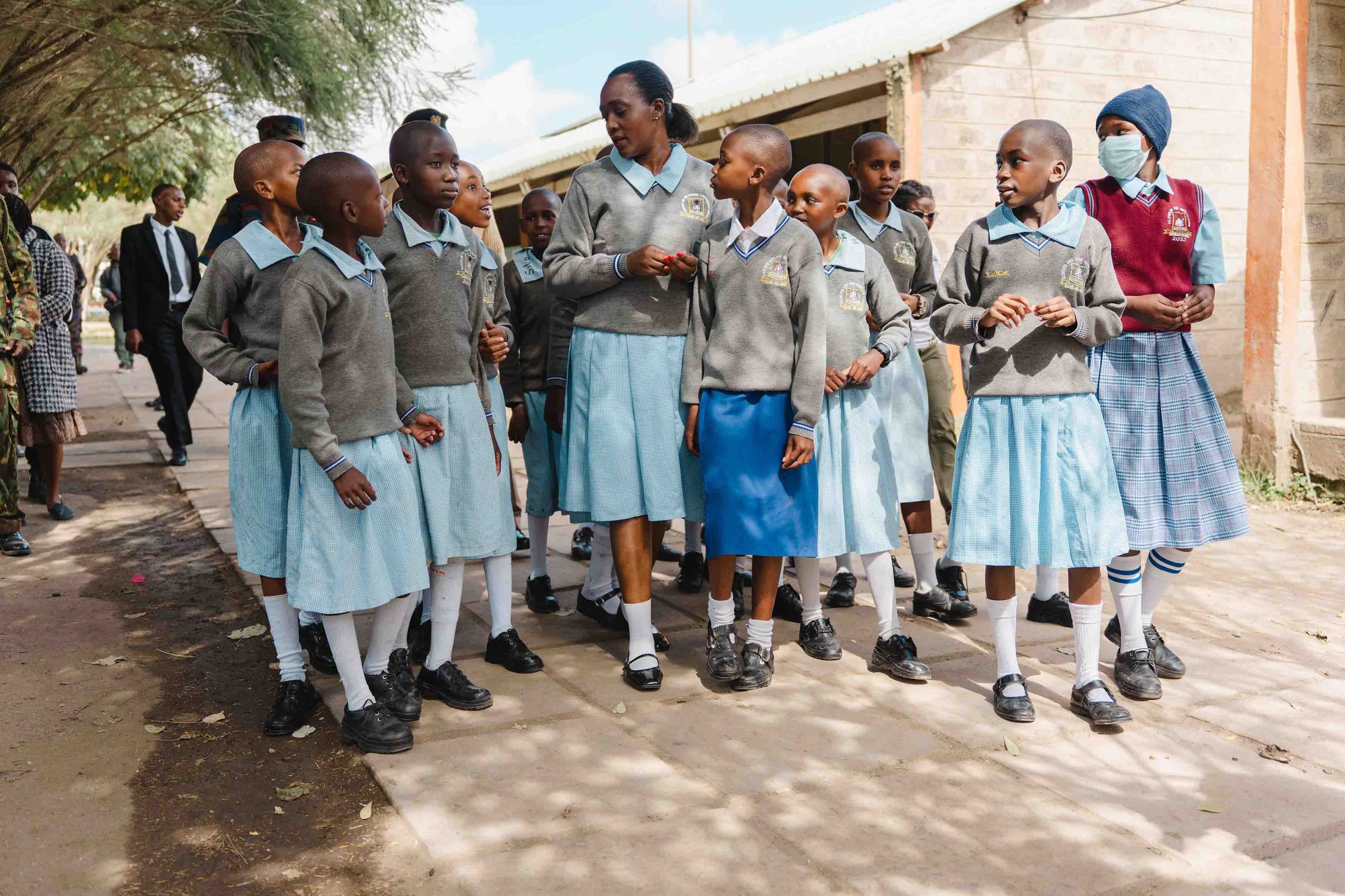
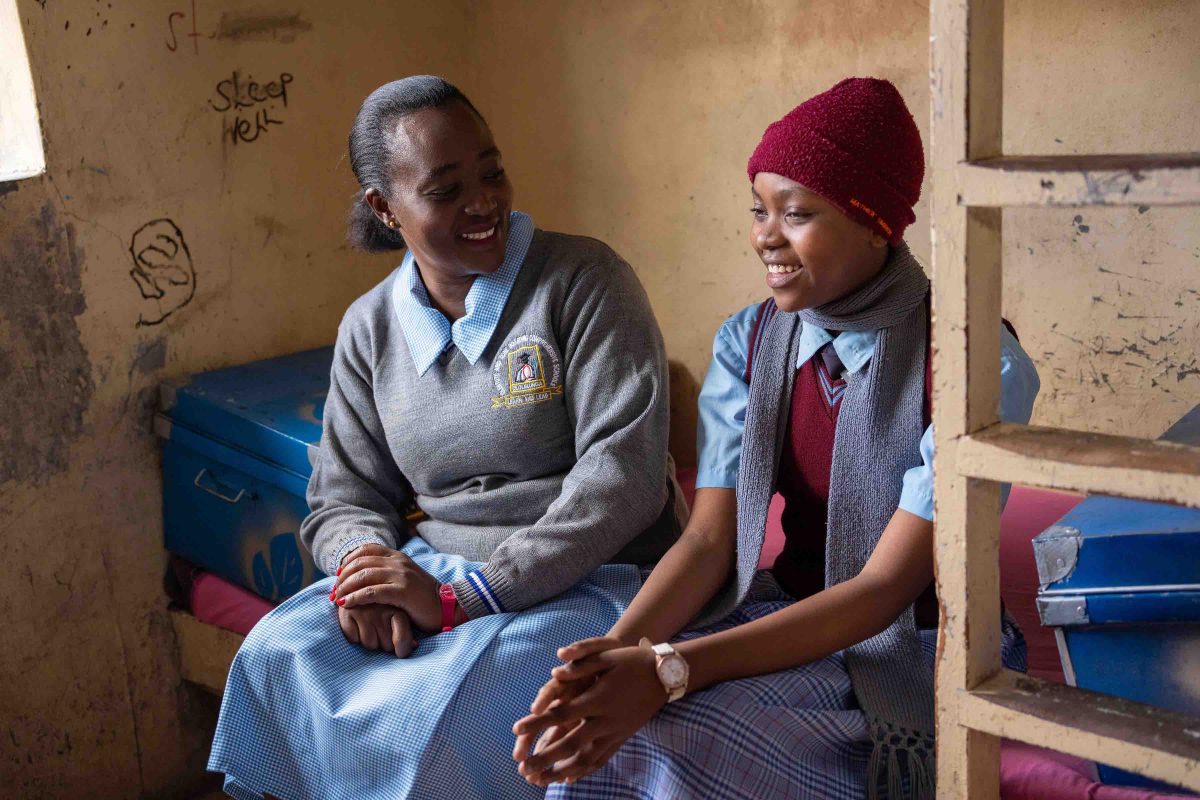
Educational needs are rarely identical. One learner may require long-term assistance to complete school, while another needs urgent help clearing an outstanding balance so they can return to class or sit an examination. Treating both situations in the same way would overlook the circumstances that placed each learner’s education at risk.

This is why our selection process begins with understanding the need.

Understanding the Need

We consider the learner’s household circumstances, the likelihood of dropping out or failing to transition to the next level, and the practical barriers affecting attendance. Information is verified through school records, guardians, community representatives and, where necessary, home visits.


This approach has taught us that supporting education is about more than paying school fees.


Tuition may be the most visible cost, but it is not the only barrier. Long distances, limited learning materials, household financial pressure, weak exposure to career pathways and gender-related challenges can all determine whether a learner remains in school.

A bursary can reopen the door. Remaining there may require mentorship, encouragement, learning materials or support during the transition from one stage of education to another.

The 3,257 learners supported through Inuka have therefore shaped our understanding of educational access. It is not a single intervention delivered in the same way to everyone. It is the ability to recognise what is placing a learner’s education at risk and respond before a temporary difficulty becomes a permanent exit from school.

This figure is not a claim that every barrier has been solved. It is a record of thousands of moments when education could have been interrupted—and support helped keep the possibility open.

That is what “more than school fees” means to us.

It means seeing the learner beyond the balance on a school account and recognising the ability, ambition and future that could be lost if no one intervenes at the right time.

Share this :